cleaning
How to Clean Baseboards Without Kneeling All Day
How to Clean Baseboards Without Kneeling All Day: diagnosis-first steps, safer substitutes, why it works, troubleshooting, prevention, and when to stop DIY.
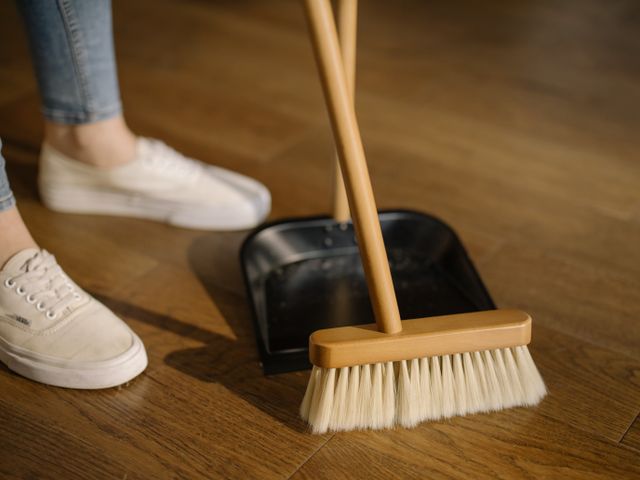
Handle cleaning baseboards without kneeling all day as a diagnosis task: clear the source, choose the gentlest workable method, keep substitutes ready, and add one prevention habit.
Safety note
For how to clean baseboards without kneeling all day, test a hidden spot first, protect ventilation, follow product and manufacturer labels, avoid incompatible cleaner mixes, and stop if color, finish, fumes, swelling, or irritation appear.
What this page is meant to solve
Clean dusty baseboards with a low-strain method and a prevention routine.
When this advice applies
Households dealing with how to clean baseboards without kneeling all day. Renters and busy homes that need a low-risk first pass.
Why the order matters
Cleaning works best as a controlled sequence: identify the surface, start mild, rinse residue, dry fully, then decide whether to escalate. Finish line: Handle cleaning baseboards without kneeling all day as a diagnosis task: clear the source, choose the gentlest workable method, keep substitutes ready, and add one prevention habit.
When to stop and reassess
Active leaks, electrical hazards, pest infestations, or damage that needs a professional. Items whose care label or manufacturer guidance conflicts with this method. For how to clean baseboards without kneeling all day, test a hidden spot first, protect ventilation, follow product and manufacturer labels, avoid incompatible cleaner mixes, and stop if color, finish, fumes, swelling, or irritation appear.
Why these steps are ordered this way
The same baseboards problem can need different treatment on glass, grout, fabric, food storage, sealed finishes, or small-space storage systems.
For how to clean baseboards without kneeling all day, a low-risk first move can be repeated or escalated, while a harsh first move can set stains, dull finishes, or leave residue.
Baseboards Issue can look solved while wet, scented, or freshly wiped. Judging after drying prevents repeating a method that only masked the problem.
Check surface safety gives the reader a focused follow-up instead of leaving the baseboards issue as a one-off tip with no clear next step.
Steps that keep the job controlled
Name the material
Gather microfiber cloth, soft brush or non-scratch pad, surface-safe cleaner before starting.
Keep the job reversible
Work in a small area, use the gentlest method that can work, and give the surface or fabric time to respond.
Judge only when dry
Residue, moisture, and poor lighting can make a result look worse or better than it is. Let the area dry before escalating.
Identify whether how to clean baseboards without kneeling all day is caused by residue, moisture, mineral film, grease, dust, odor, or routine timing.
Remove loose debris first so the first wet or product-assisted pass does not spread the problem.
Test the gentlest method in a hidden or low-visibility area and wait long enough to see surface reaction.
Work in a small section, then rinse, wipe, or dry before deciding whether a deeper method is needed.
Use a product-assisted option only when the label names the material and the room can be ventilated.
Add a prevention step for how to clean baseboards without kneeling all day, such as drying, airflow, barrier placement, labels, or a shorter reset cycle.
Materials
- microfiber cloth
- soft brush or non-scratch pad
- surface-safe cleaner
- clean rinse water
- dry towel
- baseboards notes
Mistakes to avoid
- Skipping the test area because the method sounds familiar.
- Using more product instead of giving the method enough dwell or drying time.
- Treating every surface, fabric, or household routine as if it responds the same way.
Use substitutes without changing the safety profile
Avoid acids, bleach, abrasive pads, steam, and hot water until the surface is confirmed compatible.
Keep the substitute gentler than the original item, and test before using heat, acid, bleach, abrasion, or a sealed container.
Do not use a tool that can scratch, transfer dye, trap moisture, or hide the baseboards problem you are trying to judge.
Buying is useful only when the surface, fabric, food-safety, or storage constraint is already clear.
When the first pass does not solve it
Baseboards issue improves while wet but returns after drying.
Likely cause: Residue, oil, mineral film, detergent, moisture, or hidden clutter is still present after the first pass.
Fix: Repeat a smaller section, rinse or wipe more thoroughly, then wait until the area is fully dry before judging the result.
Baseboards issue gets better once, then comes back in the next routine cycle.
Likely cause: The upstream habit has not changed: drying, sorting, ventilation, use-first rotation, rinsing, or product dosing is still missing.
Fix: Add one visible cue at the source and use Check surface safety as the next focused article or tool.
Baseboards issue spreads, lightens, dulls, or feels sticky.
Likely cause: The method may be too strong, too wet, too abrasive, or too concentrated for the material.
Fix: Stop adding product, rinse or blot if the label allows it, ventilate if needed, and switch to product-label or manufacturer guidance.
Baseboards issue only improves after buying something new.
Likely cause: The first method may be masking the problem instead of solving the cause.
Fix: Go back to the how to clean baseboards without kneeling all day diagnosis step and confirm the surface, fabric, room, or storage constraint before buying again.
Baseboards issue is tied to odor, pests, mold, fumes, leaks, or repeated fabric damage.
Likely cause: The household problem has moved beyond a simple cleaning, laundry, food-storage, or organizing task.
Fix: Stop DIY, keep people and pets away if needed, and use qualified repair, remediation, product-label, landlord, or medical guidance.
Prevention
- Keep the baseboards prevention cue visible where the problem begins, not hidden in a phone note or a distant checklist.
- Pair how to clean baseboards without kneeling all day with one maintenance trigger: after showering, before drying, before shopping, after laundry, or during the weekly reset.
Stop DIY when
- Stop if the baseboards situation changes material, odor, color, texture, food safety, electrical, plumbing, pest, mold, or product-label assumptions.
- Stop when color lifts, finish dulls, fibers roughen, wood swells, stone etches, food smells off, or a container traps moisture.
- Stop if fumes, heat, skin irritation, a care label, or a manufacturer warning makes the method unsafe for the room or item.
Common checks
What should I do first?
Start by narrowing the problem to how to clean baseboards without kneeling all day, then choose the gentlest method that can solve that exact case.
When should I stop?
Stop if you see color lift, surface dulling, swelling, strong fumes, sticky residue, or a result that gets worse after drying.
How do I keep it from coming back?
Make the prevention step visible: dry fully, label the zone, reduce buildup, or schedule the small repeat task before it becomes a reset.
What can I use if I do not have the exact tool?
Use the closest gentle substitute listed on the page, then avoid escalating to acids, bleach, heat, or abrasive tools until the material is confirmed.
Sources and where this advice applies
These references support specific parts of the guidance. Product labels and surface instructions still control the final household choice.
Safer cleaning-product selection, ingredient caution, and product-assisted method boundaries.
Checked 2026-06-29Cleaner-mixing stop conditions, ventilation warnings, and escalation when fumes or symptoms appear.
Checked 2026-06-29