Practical guide

Microfiber vs Cotton Cleaning Cloths

The better cloth depends on the job. Compare what must be picked up, what the surface maker allows, how much lint matters, and whether the cloth can be cleaned and kept separate after use.

Quick answer

Choose a clean, surface-compatible cloth rather than a fabric winner. Microfiber can be useful for trapping fine dust and low-lint wiping when its construction and care fit the task. Cotton can be useful when absorbency, heat tolerance, or a familiar washable rag matters. Neither label proves safety on a screen, finish, or delicate coating.
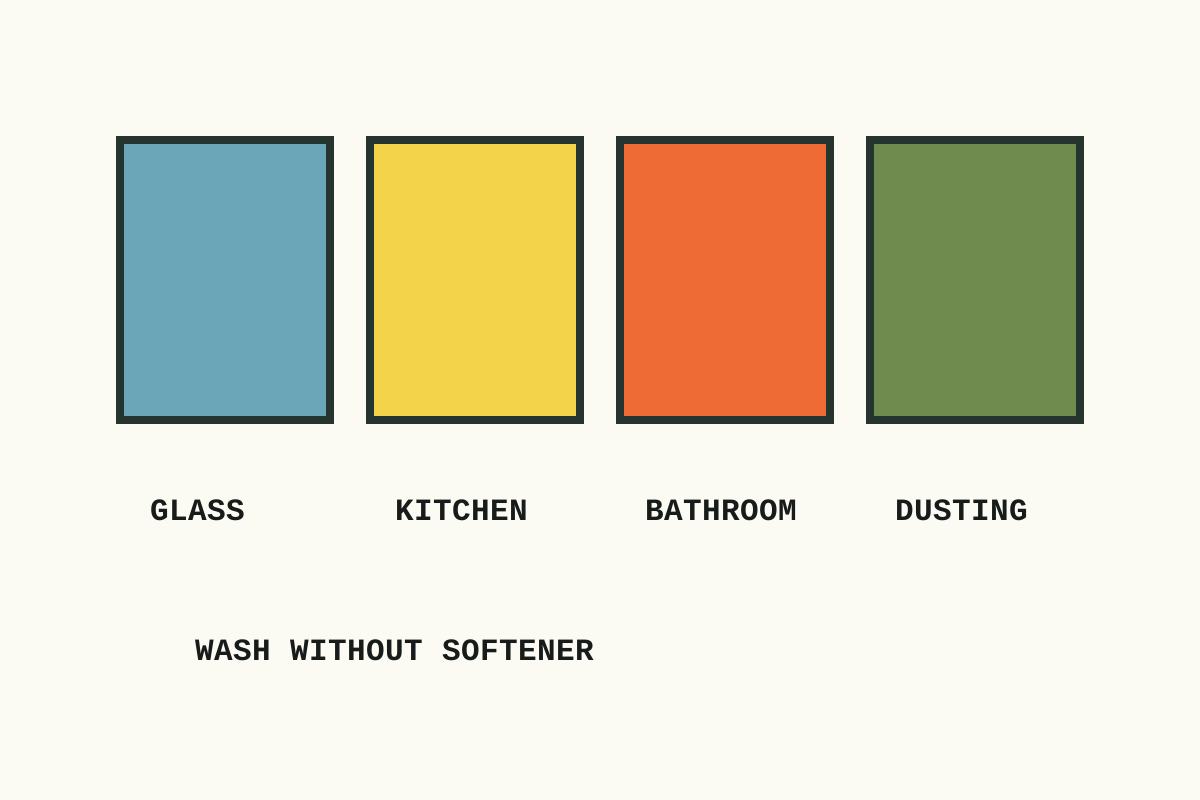
Color-coded cleaning cloth plan separating glass, kitchen, bathroom, and dusting jobs
A task-separation plan matters more than treating one cloth material as universally best.

Start with the soil and surface

Dry dust, greasy residue, spilled liquid, polishing residue, and abrasive grit ask different things of a cloth. Read the surface or appliance maker's cleaning directions first. A cloth that works on a counter may be unsuitable for a coated screen, soft finish, or debris that can scratch when dragged.

Treat fabric labels as categories, not performance certificates

Microfiber products differ in fiber blend, split, weave, edge, weight, and finish. Cotton cloths differ in knit, weave, pile, lint, dye, and prior use. A label or GSM number cannot by itself establish cleaning power, softness, absorbency, or safety for a specific surface.

Plan the wash before assigning the job

Keep kitchen, bathroom, glass, and heavy-soil cloths separated when cross-use would spread residue. Follow the purchased cloth's care directions, avoid assuming one wash recipe fits every product, and retire a cloth when embedded grit, damaged edges, odor, residue, or loss of function makes the next use unreliable.

Test delicate and high-visibility surfaces

Use a clean test area and the surface maker's instructions. For screens and coated products, a clean soft lint-free cloth may be specified, but that does not make every item sold as microfiber appropriate. Stop if wiping creates drag, haze, color transfer, scratching, or finish change.

Compare the options

QuestionFirst optionSecond optionTakeaway
Fine dry dustMicrofiber may trap fine particles when the cloth construction and condition suit dry dusting.Cotton may move or hold dust differently and can leave more lint depending on weave and wear.Test the actual cloth; do not infer performance from the fiber name alone.
Spills and general wipingPerformance varies with weave, weight, finish, and whether the cloth releases residue after washing.Cotton rags can be practical for absorbent everyday work, but lint, dye, seams, and prior contamination still matter.Match capacity and cleanliness to the spill and surface.
Screens and coatingsUse only when the product maker permits a clean soft lint-free cloth and the exact cloth is free of grit.Do not assume a cotton T-shirt or towel is safe merely because it feels soft.The surface instruction overrides a generic fabric preference.
Laundry and reuseSome products have specific temperature, detergent, softener, and drying limits.Cotton care can also vary with dye, finish, shrinkage, and the contamination picked up during use.A reusable cloth is only useful when the household can clean, separate, and inspect it consistently.

Checklist

Surface rule
Check the manufacturer or material-care instruction before choosing a cloth.
Soil type
Name whether the job is dry dust, grease, liquid, polish, or gritty debris.
Lint tolerance
Decide whether loose fibers would be visible or interfere with the finish.
Separation
Assign a color or storage lane so incompatible jobs do not share a cloth.
Care path
Confirm how the exact cloth should be washed, dried, and inspected.
Retirement check
Remove cloths with embedded grit, damaged edges, persistent residue, or lost function.

Working notes

Cloth assignment
Record cloth, surface, soil, lint limit, wash route, and replacement sign.
Example: Blue low-lint cloth; mirrors; light film; no visible lint; wash separately by label; retire if edges fray or residue remains.

References

  • Microfiber cloth decontamination and reprocessing study

    American Journal of Infection Control / PubMed. Why cloth condition and reprocessing history prevent a universal performance claim; the clinical setting is not a household superiority guarantee. Use this for general context and confirm product instructions, local conditions, and qualified help when work exceeds routine maintenance.

  • Using Microfiber Mops in Hospitals

    U.S. Environmental Protection Agency. Operational context for task separation and laundering; hospital floor systems are not transferred into household health claims. Use this for general context and confirm product instructions, local conditions, and qualified help when work exceeds routine maintenance.

  • ASTM D3776/D3776M: Mass Per Unit Area of Fabric

    ASTM International. Why fabric mass per area is a specification, not proof of cleaning quality or surface safety. Use this for general context and confirm product instructions, local conditions, and qualified help when work exceeds routine maintenance.

  • How to clean your Apple products

    Apple Support. A maker-specific example showing that sensitive surfaces require their own instructions and a clean soft lint-free cloth. Use this for general context and confirm product instructions, local conditions, and qualified help when work exceeds routine maintenance.