kitchen food
Pantry Staples List for Simple Meals
Build a practical pantry from meals you repeat, shared staples, backup rules, and a use-first shelf so food turns into dinner.
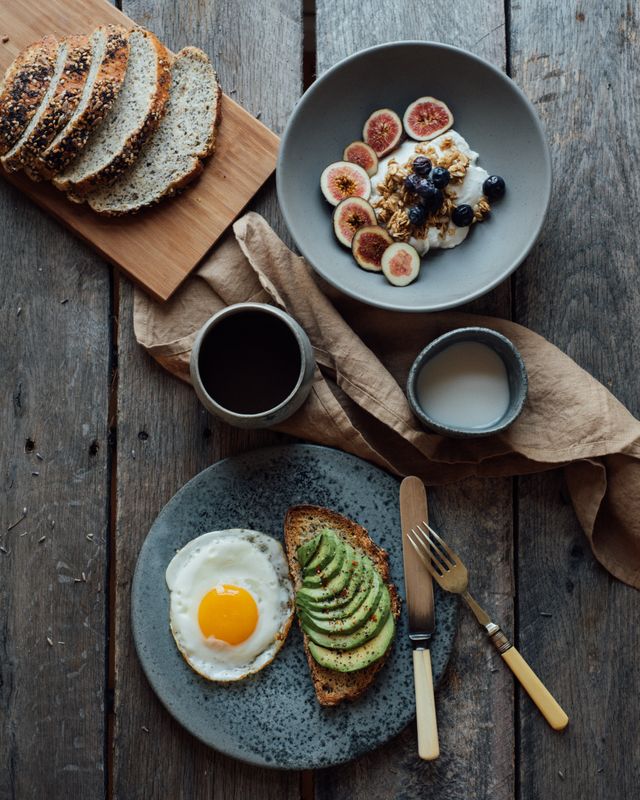
Choose pantry staples from repeat meals first: grains, beans, pasta, sauces, proteins, seasonings, and quick sides that combine into food you already cook.
Safety note
Follow package storage directions and food safety guidance. Discard food with damaged packaging, spoilage signs, pests, or unknown storage history.
What this page is meant to solve
Build a compact pantry that combines into repeatable meals.
When this advice applies
Households searching for pantry staples list for simple meals. People who need a practical first pass with product labels, care labels, and material limits kept visible.
Why the order matters
Food and kitchen shortcuts need visibility, dryness, and repeatable placement more than clever one-off tricks. Finish line: Food is easier to see, use, and rotate before waste starts.
When to stop and reassess
Active leaks, structural damage, electrical hazards, mold remediation, pest infestations, or professional repair work. Situations where product labels, care labels, food safety guidance, or manufacturer instructions conflict with this page. Follow package storage directions and food safety guidance. Discard food with damaged packaging, spoilage signs, pests, or unknown storage history.
Why these steps are ordered this way
Pantry staples can return when the page treats only the visible symptom instead of the source.
Staples are useful only when they combine into repeatable meals before they expire.
FoodSafety.gov FoodKeeper context keeps storage and freshness limits attached to meal planning.
The pantry inventory printable turns the list into a maintenance loop.
Steps that keep the job controlled
Name the material
Gather pantry inventory sheet, grocery list, date marker before starting.
Keep the job reversible
Work in a small area, use the gentlest method that can work, and give the surface or fabric time to respond.
Judge only when dry
Residue, moisture, and poor lighting can make a result look worse or better than it is. Let the area dry before escalating.
Write the simple meals the household actually repeats.
Group staples by how they combine: grains, pasta, beans, sauces, canned proteins, baking basics, spices, and quick sides.
Check current shelves for duplicates and dates before shopping.
Set one open-plus-one-backup rule for high-use staples.
Create a use-first zone for older items that should enter meals soon.
Review the list monthly and remove aspirational items that never become dinner.
Materials
- pantry inventory sheet
- grocery list
- date marker
- clear shelf zone
- simple meal list
Mistakes to avoid
- Copying a giant generic pantry list.
- Buying backups without checking dates.
- Hiding older items behind new groceries.
Use substitutes without changing the safety profile
Keep the substitute gentler than the original item and test before broad use.
Do not mix products or exceed label directions to speed up the job.
Use a clean, non-scratch, low-lint option and stop if it drags, sheds, or transfers color.
A partial controlled reset is safer than rushing the entire page task.
When the first pass does not solve it
Pantry staples pile up improves briefly and returns.
Likely cause: The list is based on aspirational recipes instead of repeat meals.
Fix: Repeat a smaller section, rinse or air out fully, then judge after the item is dry.
The area smells stronger or feels irritating.
Likely cause: Food may be stored past quality or safety limits.
Fix: Stop, increase ventilation, leave the area if fumes or symptoms appear, and follow product-label or poison-control guidance.
The surface, fabric, or food item looks changed.
Likely cause: The method may be too wet, too hot, too strong, or incompatible.
Fix: Stop the routine and switch to care-label, surface-maker, food-safety, or qualified help.
The job takes longer than the page promise.
Likely cause: The source may be older, deeper, or repeated.
Fix: Split the task into diagnosis now and follow-up cleaning later instead of adding more product.
The same issue repeats next week.
Likely cause: The pantry lacks a use-first review before shopping.
Fix: Move the prevention cue closer to the source and link it to the weekly reset or laundry cycle.
Prevention
- Keep a use-first row at eye level for older shelf-stable items.
- Review duplicates before every grocery trip.
Stop DIY when
- Discard food with damaged packaging, pests, mold, off odor, or unknown storage history.
- Do not rely on pantry lists for emergency, medical, or infant feeding needs.
- Stop buying backups when current items are not turning into meals.
Common checks
What is the first check for a pantry staples list for simple meals?
Start with meals the household actually repeats, then buy only the staples those meals share.
What should I avoid while handling a pantry staples list for simple meals?
Avoid mixing cleaners, guessing on delicate materials, or using heat before the label and surface fit are clear.
When should I stop the a pantry staples list for simple meals routine?
Stop using a food item if packaging is damaged, spoilage signs appear, or the date and storage history are unclear.
How do I keep a pantry staples list for simple meals from returning?
Attach the prevention step to the place where the problem starts, then check it during the next weekly reset.
Sources and where this advice applies
These references support specific parts of the guidance. Product labels and surface instructions still control the final household choice.
Food storage, freshness, leftovers, produce handling, and spoilage-boundary guidance.
Checked 2026-06-29