product guides
Best Laundry Stain Removers
Compare the best stain removers for laundry by stain source, fabric label, pre-dryer use, dwell time, scent, residue, and rinse limits.
The best laundry stain remover is category-matched: enzyme for many food and body soils, oxygen bleach only when the fabric label allows it, detergent for oily buildup, and a gentler rinse-and-inspect path for delicate or uncertain fabrics.
Compare by fit, not hype
Start with the surface, fabric, storage space, scent tolerance, and safer low-cost options before buying anything.
Try the matching non-commercial guide first
This guide is meant to compare fit after the job is clear. If a low-cost method, printable, or existing household tool can solve the problem, use that guide before buying anything.
Buy only when the criterion changes the outcome
The useful purchase is the one that matches material, residue, scent, storage, time, and safety constraints. Product popularity alone is not a recommendation.
Lower-cost alternatives
Use first when the stain type, age, or fabric is uncertain.
It gives a safe direction, not a product guarantee.Use for kitchen oil, makeup, or greasy splatter before buying a broad stain spray.
It is narrower than a multi-stain remover and depends on fabric tolerance.Do not buy when
CleverNest Daily may earn a commission from future product links. The buying criteria, safety limits, and lower-cost alternatives are shown before any recommendation.
Price checked 2026-06-29Safety note
Patch test first, read the care label or manufacturer guidance, keep ventilation open, and never combine cleaners unless the product labels explicitly say they are compatible.
What this page is meant to solve
Choose the best laundry stain remover category for the stain and fabric before heat enters the routine.
When this advice applies
Washable laundry where the stain source, fabric label, and pre-dryer status can be checked. Readers comparing stain remover categories before buying or applying product.
Why the order matters
A product comparison should start with the job, surface, and failure mode; otherwise marketing details crowd out fit. Finish line: The shortlist explains fit, safety, alternative methods, and why a purchase is still needed.
When to stop and reassess
Dry-clean-only garments, leather, silk, wool, or fabrics whose care label blocks the product. Situations where stain removers have been mixed, fumes appear, or fabric has already weakened. Patch test first, read the care label or manufacturer guidance, keep ventilation open, and never combine cleaners unless the product labels explicitly say they are compatible.
Why these steps are ordered this way
stains: Stain remover shopping can return when the page treats only the visible symptom instead of the source.
The comparison table separates product chemistry, fabric risk, and stain source before money or heat is involved.
Care-label and Poison Control guidance keep compatibility, dwell time, rinsing, and cleaner mixing visible.
The laundry stain chart and stain finder turn the buyer guide into a repeatable laundry-room routine.
How to choose
Name the material
Gather stain remover label, fabric care label, white test cloth before starting.
Keep the job reversible
Work in a small area, use the gentlest method that can work, and give the surface or fabric time to respond.
Judge only when dry
Residue, moisture, and poor lighting can make a result look worse or better than it is. Let the area dry before escalating.
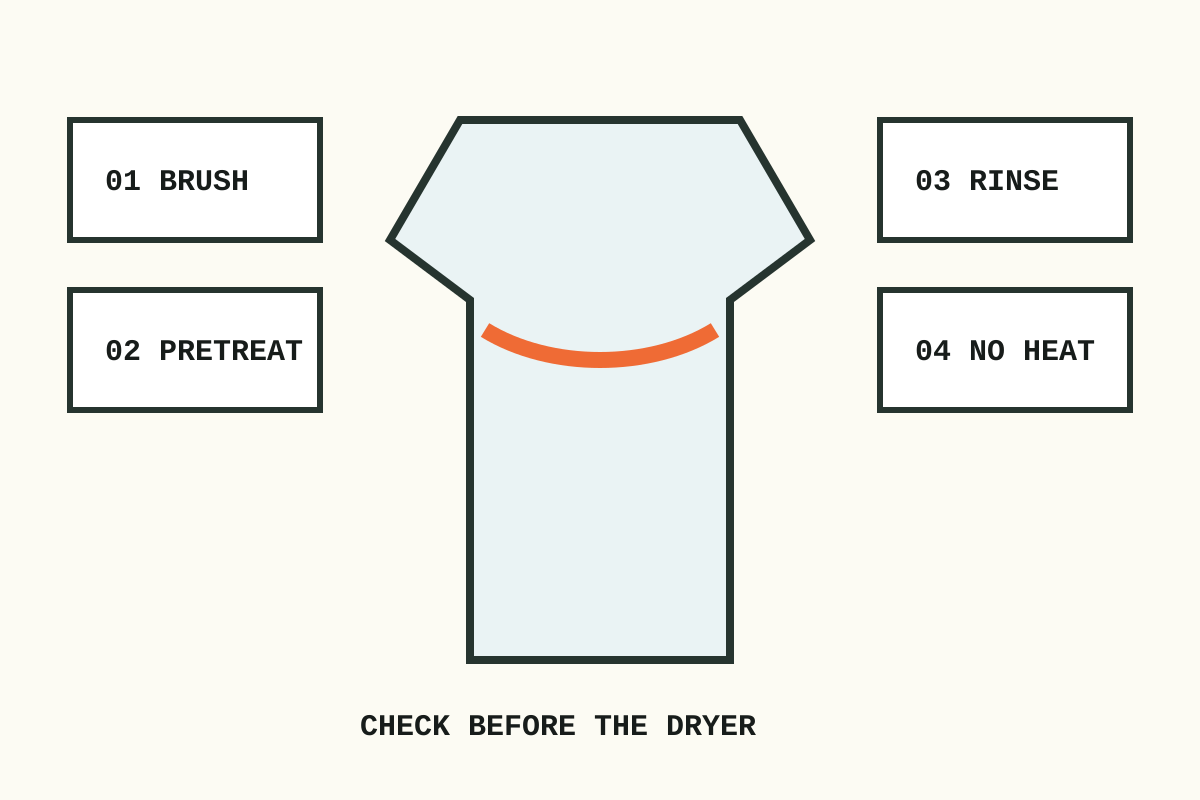
Name the stain before shopping or applying product: food protein, body soil, oil, dye, deodorant buildup, or unknown.
Check whether the fabric label allows the stain remover category.
Compare enzyme, oxygen bleach, detergent, and solvent-style products by dwell time, scent, residue, and rinse requirements.
Test colorfastness when the label calls for it.
Keep the garment out of the dryer until the treated area improves.
Use the printable stain chart or stain finder for repeat household stains.
Materials
- stain remover label
- fabric care label
- white test cloth
- timer for dwell time
- cool rinse water
Mistakes to avoid
- Buying one universal remover for every fabric and every stain.
- Ignoring dwell time, rinse directions, fragrance, or residue warnings.
- Drying before inspecting the treated area.
Use substitutes without changing the safety profile
Keep the substitute gentler than the original item and test before broad use.
Do not mix products or exceed label directions to speed up the job.
Use a clean, non-scratch, low-lint option and stop if it drags, sheds, or transfers color.
A partial controlled reset is safer than rushing the entire page task.
When the first pass does not solve it
stains: The stain remover improves briefly and returns.
Likely cause: The product may not match the stain, fabric label, dwell time, rinse step, or previous dryer heat.
Fix: Repeat a smaller section, rinse or air out fully, then judge after the item is dry.
The area smells stronger or feels irritating.
Likely cause: Products may be mixed, overused, scented too heavily, or poorly rinsed.
Fix: Stop, increase ventilation, leave the area if fumes or symptoms appear, and follow product-label or poison-control guidance.
The surface, fabric, or food item looks changed.
Likely cause: The method may be too wet, too hot, too strong, or incompatible.
Fix: Stop the routine and switch to care-label, surface-maker, food-safety, or qualified help.
The job takes longer than the page promise.
Likely cause: The source may be older, deeper, or repeated.
Fix: Split the task into diagnosis now and follow-up cleaning later instead of adding more product.
The same issue repeats next week.
Likely cause: The household lacks a pre-dryer inspection habit.
Fix: Move the prevention cue closer to the source and link it to the weekly reset or laundry cycle.
Prevention
- Keep one gentle first-pass product and one label-compatible escalation product instead of a crowded shelf.
- Inspect treated stains before moving loads to the dryer.
- Write down repeat stains so the next product choice starts from the stain source, not the bottle name.
Stop DIY when
- Stop if the garment label forbids the product.
- Stop if color lifts, fibers weaken, or the smell is irritating.
- Stop if stain products have been mixed.
Common checks
What is the first check for laundry stain removers?
Match product category to stain type, fabric label, dwell time, and whether heat has already set the mark.
What should I avoid while handling laundry stain removers?
Avoid mixing cleaners, guessing on delicate materials, or using heat before the label and surface fit are clear.
When should I stop the laundry stain removers routine?
Stop if dye lifts, fabric changes, fumes appear, product labels conflict, or stain removers have been mixed.
How do I keep laundry stain removers from returning?
Attach the prevention step to the place where the problem starts, then check it during the next weekly reset.
Sources and where this advice applies
These references support specific parts of the guidance. Product labels and surface instructions still control the final household choice.
Laundry care-label priority, fabric-care limits, and why heat or chemistry must follow garment instructions.
Checked 2026-06-29Cleaner-mixing stop conditions, ventilation warnings, and escalation when fumes or symptoms appear.
Checked 2026-06-29