printables
Laundry Stain Removal Chart Hub
Use a laundry stain chart hub with comparison tables, best-for stain first moves, product distinctions, and dryer warnings before treating fabric.
Start with the stain type and fabric label, then choose the best first move: blot, rinse, pretreat with detergent, use an enzyme product, use oxygen bleach only when label-safe, or avoid heat until the stain is gone.
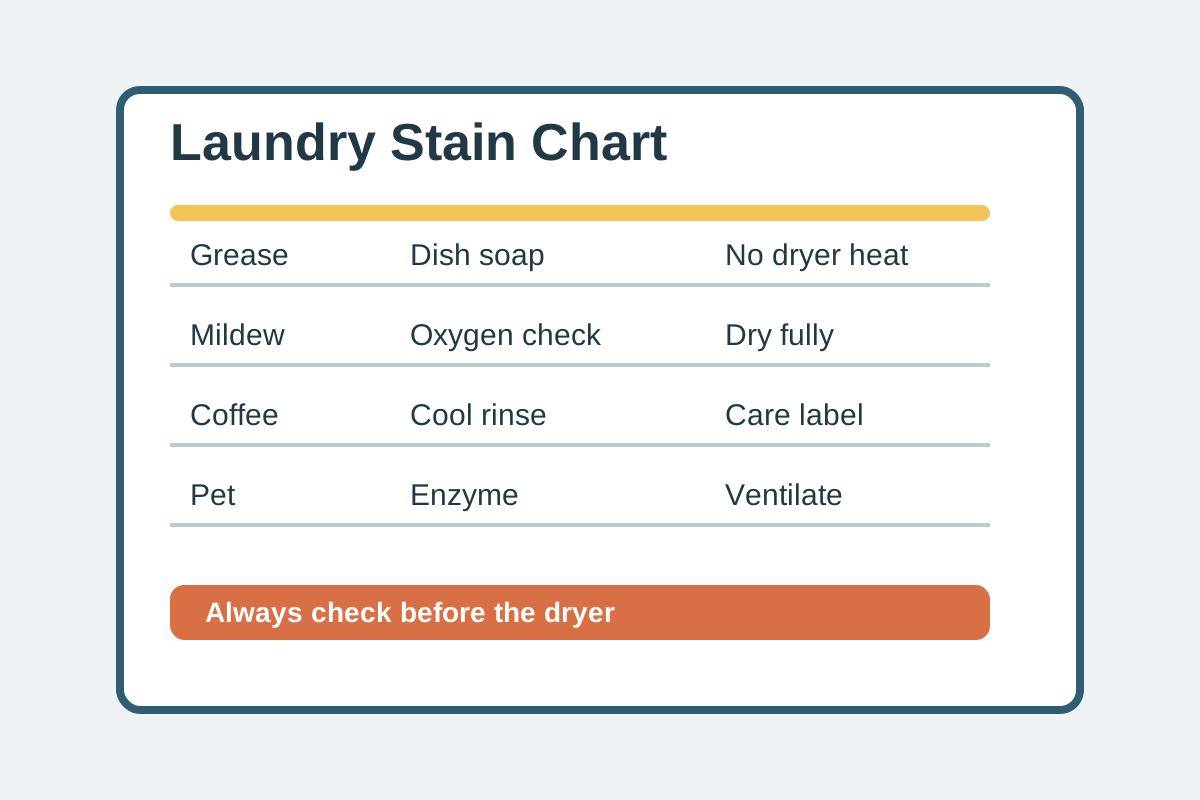
Printable preview
Laundry Stain Removal Chart Hub
Start with the stain type and fabric label, then choose the best first move: blot, rinse, pretreat with detergent, use an enzyme product, use oxygen bleach only when label-safe, or avoid heat until the stain is gone.
No account, payment, or email submission is required for the current printable preview.
Open use stepsKeep the sheet where the routine happens: laundry wall, pantry door, cleaning caddy, or move-out folder.
Mark the smallest next action first, then revise the checklist after one real household cycle.
Safety note
Patch test first, read the care label or manufacturer guidance, keep ventilation open, and never combine cleaners unless the product labels explicitly say they are compatible.
What this page is meant to solve
Use a chart hub to match stain type, fabric, first move, product category, and dryer warning before treating laundry.
When this advice applies
Households searching for laundry stain chart. People who need a practical first pass with product labels, care labels, and material limits kept visible.
Why the order matters
A printable helps only when it stays where the routine happens and gets updated after real use. Finish line: The sheet is printed or previewed, placed near the routine, and simple enough to use again next week.
When to stop and reassess
Active leaks, structural damage, electrical hazards, mold remediation, pest infestations, or professional repair work. Situations where product labels, care labels, food safety guidance, or manufacturer instructions conflict with this page. Patch test first, read the care label or manufacturer guidance, keep ventilation open, and never combine cleaners unless the product labels explicitly say they are compatible.
Why these steps are ordered this way
Different laundry stains respond to different first moves, so the table prevents a grease, protein, dye, deodorant, or unknown stain from getting the same treatment.
Laundry stains can return when the page treats only the visible symptom instead of the source.
A table prevents the common mistake of treating grease, protein, dye, and deodorant buildup as the same problem.
Care-label and product-label limits keep the printable from becoming a universal chemical shortcut.
The stain remover guide helps choose products after the first chart pass.
How to use it
Name the material
Gather care label, white cloth, liquid detergent before starting.
Keep the job reversible
Work in a small area, use the gentlest method that can work, and give the surface or fabric time to respond.
Judge only when dry
Residue, moisture, and poor lighting can make a result look worse or better than it is. Let the area dry before escalating.
Use the comparison table: protein stains usually start with cool water and enzyme pretreat; grease starts with detergent; dye stains need colorfast testing; deodorant buildup needs gentle brushing and detergent; unknown stains stay away from dryer heat.
Choose the best-for stain product category, not the strongest product: detergent for body oil and grease, enzyme for protein, oxygen bleach for label-safe washable whites or colorfast fabric, and plain rinsing when the fabric is delicate or unknown.
Check the fabric care label and test colorfastness before soaking, bleaching, scrubbing, or using warm water.
Air dry and inspect before repeating; dryer heat can set many stains.
Find the stain row before adding heat or product.
Check the fabric label and colorfastness first.
Start with cool water for protein stains and a detergent pass for oily residue.
Use oxygen bleach only when the care label and product label allow it.
Inspect under good light before the dryer.
Repeat gently or move to the stain finder if the mark remains.
Materials
- care label
- white cloth
- liquid detergent
- enzyme stain remover
- oxygen bleach if label-safe
- printable stain chart
- fabric care label
- cool water
- oxygen bleach only when the label allows it
Mistakes to avoid
- Putting stained fabric in the dryer before checking the mark.
- Using one product on every stain type.
- Ignoring fabric labels when escalating.
Use substitutes without changing the safety profile
Keep the substitute gentler than the original item and test before broad use.
Do not mix products or exceed label directions to speed up the job.
Use a clean, non-scratch, low-lint option and stop if it drags, sheds, or transfers color.
A partial controlled reset is safer than rushing the entire page task.
When the first pass does not solve it
laundry: The stain improves briefly and returns.
Likely cause: The wrong row, heat, residue, or old product may be involved.
Fix: Repeat a smaller section, rinse or air out fully, then judge after the item is dry.
The area smells stronger or feels irritating.
Likely cause: Laundry products may be incompatible or overdosed.
Fix: Stop, increase ventilation, leave the area if fumes or symptoms appear, and follow product-label or poison-control guidance.
The surface, fabric, or food item looks changed.
Likely cause: The method may be too wet, too hot, too strong, or incompatible.
Fix: Stop the routine and switch to care-label, surface-maker, food-safety, or qualified help.
The job takes longer than the page promise.
Likely cause: The source may be older, deeper, or repeated.
Fix: Split the task into diagnosis now and follow-up cleaning later instead of adding more product.
The same issue repeats next week.
Likely cause: The chart is not being checked before the dryer.
Fix: Move the prevention cue closer to the source and link it to the weekly reset or laundry cycle.
Prevention
- Keep the printable where laundry is sorted.
- Mark repeat stains so the next wash starts with the right row.
Stop DIY when
- Stop if dye transfers, fabric weakens, or the label forbids the method.
- Stop if bleach, ammonia, acids, or stain products have been mixed.
- Stop before drying when a stain is still visible.
Common checks
What is the first check for a laundry stain chart?
Identify stain type, fabric label, and whether the item has already been dried.
What should I avoid while handling a laundry stain chart?
Avoid mixing cleaners, guessing on delicate materials, or using heat before the label and surface fit are clear.
When should I stop the a laundry stain chart routine?
Stop if the care label blocks the method, dye lifts, or products were mixed.
How do I keep a laundry stain chart from returning?
Attach the prevention step to the place where the problem starts, then check it during the next weekly reset.
Which stain remover is best for every stain?
There is no single best product for every stain. Match the product category to the stain and fabric: enzyme, detergent, oxygen bleach, or a gentler rinse-and-inspect path.
Sources and where this advice applies
These references support specific parts of the guidance. Product labels and surface instructions still control the final household choice.
Laundry care-label priority, fabric-care limits, and why heat or chemistry must follow garment instructions.
Checked 2026-06-29Cleaner-mixing stop conditions, ventilation warnings, and escalation when fumes or symptoms appear.
Checked 2026-06-29