laundry
How to Remove Deodorant Buildup From Shirt Armpits
Remove deodorant buildup from clothes and shirt armpits with a pre-dryer sequence for white residue, yellowing, detergent pretreat, rinsing, and label-safe oxygen bleach.
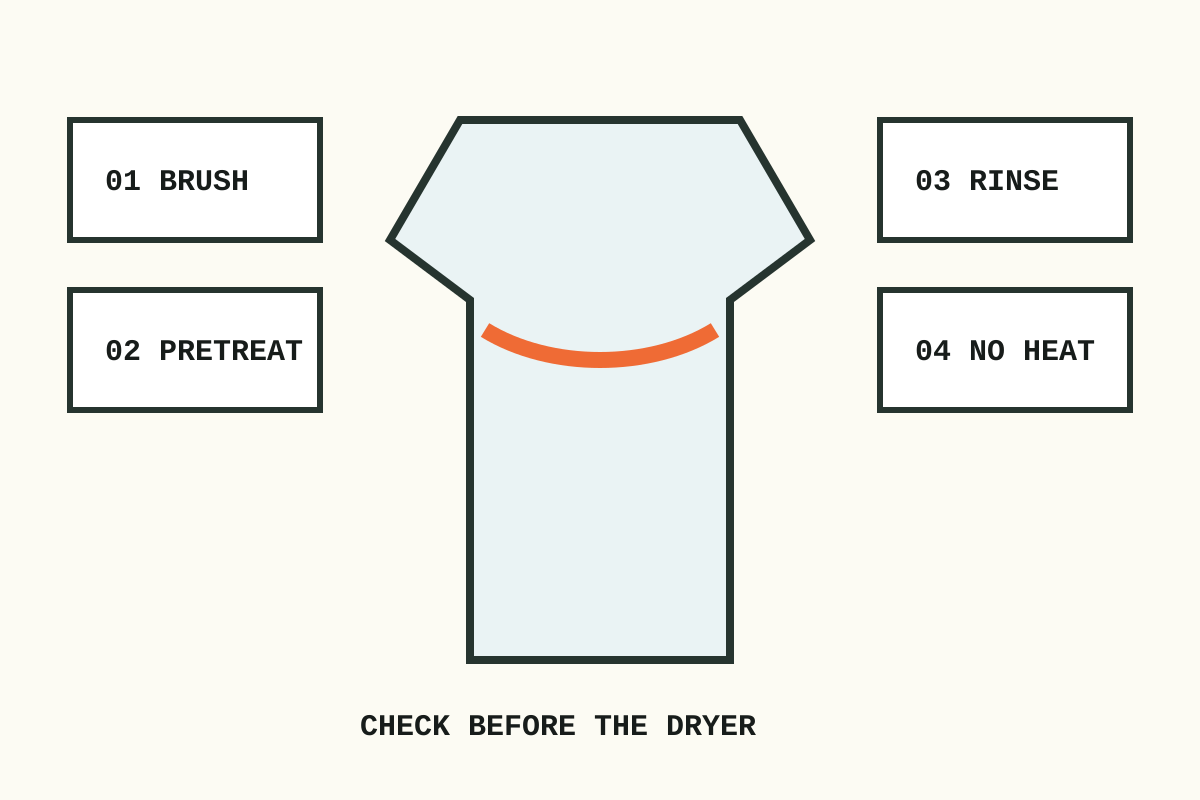
For deodorant buildup on shirts, work from the armpit side: dry-brush loose white residue, pretreat with liquid detergent, rinse, use oxygen bleach only when the care label allows it, and inspect before any dryer heat.
Safety note
Patch test first, read the care label or manufacturer guidance, keep ventilation open, and never combine cleaners unless the product labels explicitly say they are compatible.
What this page is meant to solve
Remove deodorant buildup and stains from the armpits of shirts before dryer heat makes the residue harder to release.
When this advice applies
Washable shirts with white deodorant marks, waxy underarm buildup, or early yellowing. Cotton, polyester, and blends when the care label allows water, detergent pretreating, and air drying.
Why the order matters
Laundry choices become expensive after heat. Treat, rinse, and inspect before the dryer or hot cycle sets the problem. Finish line: The stain or odor is improved before heat, the fabric still feels normal, and no product residue remains.
When to stop and reassess
Dry-clean-only garments, leather, silk, wool, or shirts whose care label blocks water or pretreatment. Fabric that is weakened, color-bleeding, or already damaged by repeated scrubbing or bleach. Patch test first, read the care label or manufacturer guidance, keep ventilation open, and never combine cleaners unless the product labels explicitly say they are compatible.
Why these steps are ordered this way
Deodorant buildup can include waxy product, body oil, and detergent residue; brushing before wetting keeps loose material from spreading.
Liquid detergent is a practical first pass for body oil and antiperspirant residue before stronger stain removers are considered.
Heat can make underarm stains and buildup harder to release, so the page keeps air drying and inspection ahead of the dryer.
The stain finder helps choose a safer path when the shirt is delicate, dried-in, oily, yellowed, or uncertain.
Steps that keep the job controlled
Name the material
Gather soft toothbrush or laundry brush, liquid laundry detergent, white cloth for color transfer checks before starting.
Keep the job reversible
Work in a small area, use the gentlest method that can work, and give the surface or fabric time to respond.
Judge only when dry
Residue, moisture, and poor lighting can make a result look worse or better than it is. Let the area dry before escalating.
Turn the shirt inside out so the armpit buildup is exposed.
Dry-brush loose white deodorant residue before adding water.
Work a small amount of liquid detergent into the underarm fabric from the inside of the shirt.
Let it sit briefly by the detergent label, then rinse the armpit area so loosened residue leaves the fabric.
For white or colorfast washable shirts, use oxygen bleach only when both the care label and product label allow it.
Air dry and inspect before using dryer heat; repeat gently if buildup remains.
Materials
- soft toothbrush or laundry brush
- liquid laundry detergent
- white cloth for color transfer checks
- oxygen bleach only if the care label allows it
- cool rinse water
- drying rack
Mistakes to avoid
- Scrubbing so hard the underarm fabric pills or thins.
- Using chlorine bleach on sweat and deodorant marks without label guidance.
- Drying the shirt before inspecting the stain.
Use substitutes without changing the safety profile
Avoid dyed soaps, heavy fragrance, chlorine bleach, and hot water until the fabric and stain type are confirmed.
Keep the substitute gentler than the original item, and test before using heat, acid, bleach, abrasion, or a sealed container.
Do not scrub delicate fabric, spread the deodorant mark wider, or use a dyed cloth that can transfer color.
Buying is useful only when the surface, fabric, food-safety, or storage constraint is already clear.
When the first pass does not solve it
The deodorant area still feels stiff after washing.
Likely cause: Old deodorant buildup and body oil are still trapped in the weave.
Fix: Repeat the detergent pretreat gently and air dry again before considering a label-safe oxygen bleach soak.
The mark looks better wet but returns when dry.
Likely cause: Residue is still present, or the shirt dried before loosened product was fully rinsed out.
Fix: Rinse more thoroughly after pretreating and inspect in bright light before laundering again.
The shirt color transfers to the cloth.
Likely cause: The dye may not tolerate the method.
Fix: Stop the stronger treatment and use only care-label guidance or professional cleaning.
The area smells like mixed products or feels irritating.
Likely cause: Laundry products may have been combined or overdosed.
Fix: Stop, rinse if the care label allows it, ventilate, and follow product-label or poison-control guidance.
New shirts keep getting the same underarm buildup.
Likely cause: Too much deodorant, dressing before it dries, heavy product transfer, or delayed washing is restarting the stain.
Fix: Use less product, let it dry before dressing, and wash affected shirts before residue hardens.
Prevention
- Let deodorant or antiperspirant dry before putting on a shirt.
- Wash repeat-problem shirts before the underarm fabric turns stiff.
- Keep a stain chart near the washer so deodorant buildup does not get treated like every other stain.
Stop DIY when
- Stop if the care label blocks water, detergent, soaking, or oxygen bleach.
- Stop if color lifts, fibers weaken, or the armpit fabric thins.
- Stop if laundry products have been mixed or fumes appear.
Common checks
Why do deodorant stains get hard?
Antiperspirant ingredients, body oil, and detergent residue can build up in the underarm fabric.
Can dark shirts be treated the same way?
Test first; some treatments that help white fabric can fade dark dye.
How do I prevent the marks?
Let deodorant dry before dressing and wash shirts before buildup hardens.
What should I do first?
Start by narrowing the problem to how to remove deodorant stains from shirts, then choose the gentlest method that can solve that exact case.
Sources and where this advice applies
These references support specific parts of the guidance. Product labels and surface instructions still control the final household choice.
Laundry care-label priority, fabric-care limits, and why heat or chemistry must follow garment instructions.
Checked 2026-06-29Cleaner-mixing stop conditions, ventilation warnings, and escalation when fumes or symptoms appear.
Checked 2026-06-29